
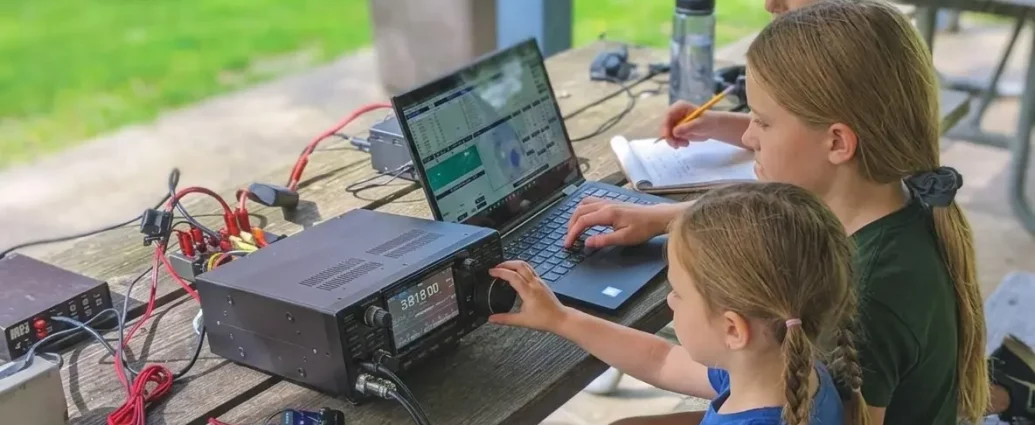
The ham radio community as a whole recognizes the urgent need for more young faces and youth operators to help our hobby thrive and grow. In my conversations with others, I realize that both clubs and individuals understand the need to recruit. The issue is not with spreading awareness; we need to share ideas and put a plan into action on both a personal and a club level.
I have put together a few strategies. I believe if you implement these both for yourself and in your local club, you will see the number of young people active in ham radio increase.
Create a Welcoming Environment for First-Timers
When you have a first-time guest at a club meeting or a new check-in on a local repeater, make sure to personally say hello and welcome them to the group. Share who you are and what your club is about. Follow up with them after the meeting or the contact to answer any questions they have. Provide them with the dates of upcoming events or meetings and include them in conversations.
Be an Elmer & Mentor
Find people in your club who are willing to Elmer a new individual, so when you do have a visitor, you have someone to refer them to. An Elmer is someone who will stay in contact with them, help program a new radio, explain local repeater etiquette, or introduce them to other hams who share similar interests. This provides new people with a point of contact and someone they can go to with questions and receive training and instruction.
Follow Up After Every Exam Session
A new license does not automatically mean a new active operator. We need to focus on encouraging and involving new licensees just as much as recruiting new hams. After an individual passes the license exam, follow up with them in an email and share local repeater information and the schedule for nets. Make sure they have a mentor to contact with questions. Newly licensed hams often do not engage or become active simply because they do not know how or what to do. Guide them on the next steps and encourage their participation in upcoming club events.
Provide Access to Equipment
Many new operators, and especially younger people, often do not have the means to purchase equipment to get on the air. If your club does not have loaner equipment available, offer the use of your station to train new operators. Create an environment where they can make mistakes and learn from them without causing damage or being shamed for it. Host a hands-on workshop during club meetings and demonstrate antenna builds and designs. Provide resources to inexpensive starter equipment for them to get active and on the air.
For hams 21 and under, the RHR youth network provides unlimited free access to several remote stations around the world. This is a great opportunity for youth who may not have access to equipment to get on the air, make contacts, and connect with other young hams.
Treat Young Hams as Equals, Not “Just Some Kid”
When you have a young person show interest in ham radio, it is important to connect with them and treat them as an equal. For example, if a youth shows up to Field Day and wants to help with setup, don’t exclude them from what you are doing and send them off to do “kids’ activities.” Include them in the project you are working on, explain the process and steps, and guide them in helping with what you are doing. Giving them responsibilities of their own will provide them with a sense of purpose and belonging, and they will be more likely to come back in the future and join in on more activities.

Offer Leadership Opportunities to Young Operators
This also ties into giving them a purpose and sense of belonging in your group. Provide opportunities for the youth to run a local net or give a presentation at a club meeting. Often, young people are more familiar with social media, so utilize this by asking them to help advertise events and promote the club using this platform. Provide them with the needed tools and information to help with outreach in their youth groups and schools.
Bring Ham Radio to the Youth
There are many opportunities for clubs to introduce ham radio to young people in their own environment. A great example of this is school science fairs. A radio club can offer to sponsor an award at a local science fair for science projects that are related to ham radio in some aspect. This could be anything from how different antenna designs affect the transmitted signal, solar activity vs. band conditions, etc. The list of available awards would be published at the schools—a good way to get young people interested and give them the opportunity to research and explore on their own.
Club Communication–Think Outside the Box
A large factor contributing to the lack of youth engagement in local clubs is the way announcements and conversations are communicated in between meetings. It is imperative to have some form of communication and stay active in between events. Whether this is informal nets on your local repeater or an email newsletter, make sure it is available to everyone. Use online platforms that have a high level of youth activity, such as Discord. Post demonstration videos and updates to YouTube or Instagram. If your only communication within the group happens at club meetings, it is easy to lose the younger audience, and they become less engaged.
Celebrate Newly Licensed Hams or License Upgrades
If you have a club newsletter, include a column to focus on newly licensed individuals or license upgrades. Announce these achievements at club meetings and congratulate the new hams. Celebrate their first QSOs and encourage them to keep active on local repeaters. This kind of recognition encourages their engagement and participation and motivates them to get involved.
Build an Encouraging Culture for New Ideas
It can be easy to get accustomed to the way we do things and want to stick to it. However, when young people come to you with new ideas, it is important to consider what they have to say and not dismiss it simply because it is new or different. Do not criticize them for using digital modes or doing things differently than you may have done when you were first licensed. Encourage youth to experiment with their ideas and always stay curious. Remember, respect goes both ways!
This is not an extensive and complete list. I encourage you to come up with your own ideas and share them with others!
Violetta Latham - KN2P
I’m excited to be stepping into the position of section Youth Coordinator at ARRL. I’ve been a licensed ham for over 10 years, and amateur radio has played an essential role in shaping my community and building my skill set.
I’ve been fortunate to operate from some incredible stations like PJ2T, J62K, K3LR, and W3LPL, and I was co-organizer of Team Exuberance, an all-youth contesting team for 2019 CQ WPX SSB contest from K3LR. Whether it’s contesting, DXing, or mentoring, I’ve always loved the diversity of ham radio and the bonds that I’ve created through a shared love of the hobby.
Aside from ham radio, I am also a flight instructor and commercial pilot. I have opportunities every day to teach youth and work closely with them to mentor and instruct. Whether it’s from the flight deck or the shack, my goal is to work with young people to help them discover their potential and get involved in every way possible.
